Late summer feels like an odd time to think about your furnace. That’s exactly why it’s the right time. Booking a furnace tune-up in Ottawa in August or September means appointments are available, problems get found before you need heat, and you’re not competing with every other homeowner in the city during the first cold snap.
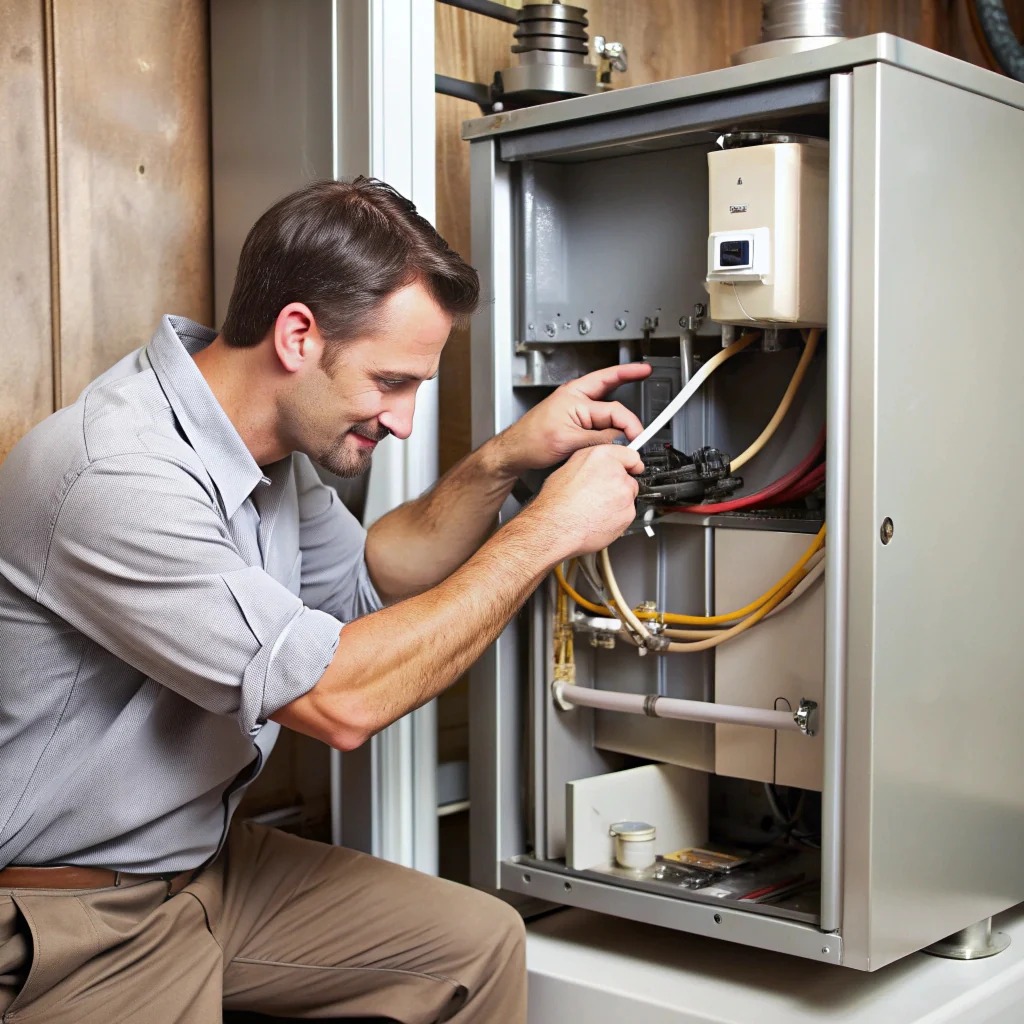
Here’s what a proper tune-up covers, what you can handle yourself, and the warning signs that mean don’t wait.
Why Timing Matters So Much Here
Ottawa’s heating season is long and unforgiving, and furnaces overwhelmingly fail at the start of it — when equipment that sat idle for months is suddenly asked to run hard.
Booking in late summer or early fall gets you three advantages. Technicians have availability, so you choose the appointment time. Any parts needed can be ordered without urgency. And if the inspection reveals the furnace is near the end of its life, you have time to plan a replacement rather than accepting whatever can be installed tomorrow.
The alternative — discovering a problem during the first genuinely cold week in November — is how people end up paying emergency rates for a system they could have replaced calmly.
What You Can Do Yourself
Several tasks need no special tools or training:
Replace the air filter. The single most valuable homeowner task. Note the size, buy several, and set a reminder to check monthly during heating season.
Clear the area around the furnace. Combustion appliances need air and clearance. Move stored boxes, paint cans, and anything flammable well away from the unit.
Check all vents and registers. Open them, and make sure furniture, rugs, and curtains aren’t blocking supply or return airflow.
Test the thermostat. Switch to heat, raise the setting, and confirm the furnace responds within a minute or so. Replace batteries if it takes them.
Look at the exhaust vent outside. On high-efficiency furnaces, the PVC intake and exhaust pipes exit through a side wall. Confirm they’re clear of debris, nests, and anything that could block them — and remember where they are when snow starts drifting.
Test Your Carbon Monoxide Detectors
Do this before heating season every year without exception. Any fuel-burning appliance can produce carbon monoxide if something goes wrong, and CO is undetectable without an alarm.
Press the test button on every detector. Replace batteries. And check the manufacture date — detectors have a service life and stop being reliable once expired, whether or not the test button still beeps.
Ontario requires CO alarms in homes with fuel-burning appliances. Place them near sleeping areas where they’ll actually wake someone.
What a Professional Tune-Up Covers
A thorough visit goes well beyond what a homeowner can do:
- Heat exchanger inspection — checking for cracks, which are both a CO hazard and a reason for replacement
- Burner cleaning and adjustment for clean, efficient combustion
- Ignition system testing — igniter, flame sensor, and safety controls
- Blower inspection and cleaning — dust on the blower wheel meaningfully reduces airflow
- Electrical connections checked and tightened
- Gas pressure verification against manufacturer specification
- Venting inspection for blockage, corrosion, or improper slope
- Condensate drain clearing on high-efficiency units
- Temperature rise measurement across the heat exchanger
- Safety control testing — confirming the limit switches actually work
The heat exchanger inspection is the one that matters most for safety, and it’s the main reason a visual once-over by a homeowner isn’t a substitute for professional HVAC services in Ottawa.
Warning Signs That Mean Don’t Wait
Book service promptly rather than waiting for a scheduled visit if you notice:
- A yellow or flickering burner flame instead of steady blue
- Soot or scorch marks near the furnace
- A persistent smell of gas — leave immediately and call your gas utility’s emergency line first
- Banging, screeching, or rumbling on startup
- The furnace shutting off before reaching the set temperature
- Higher bills without a change in usage
- Excessive dust or unusual humidity changes in the home
- Any CO alarm activation
Some of these are minor. Some indicate a cracked heat exchanger. The difference isn’t something to determine by guessing — furnace repair in Ottawa starts with a proper diagnosis.
The Age Conversation
A tune-up is also the right moment for an honest assessment of where your furnace sits in its life.
Signs it’s approaching the end: it’s past the typical service life for its type, repairs have become frequent, the heat exchanger shows early deterioration, rooms are uneven despite good ductwork, or your bills climb each year.
None of these means replace it today. They mean start planning, so that when the day comes you’re choosing furnace installation in Ottawa on your terms rather than under duress in February.
Preparing for the Cold Snap Itself
Beyond the furnace, a few things pay off when Ottawa delivers its worst:
- Know where your furnace’s emergency shutoff switch is
- Keep spare filters on hand so a change never gets postponed
- Insulate pipes running through unheated spaces
- Keep the exhaust vent clear once snow starts accumulating — a blocked vent shuts the furnace down as a safety measure
- Save your HVAC company’s number somewhere you can find it at 2 a.m.
That last one sounds trivial until you need it. A furnace that quits overnight in January turns into a no heat emergency in Ottawa quickly, and knowing who to call saves time you don’t have.
Maintenance and Your Warranty
Worth knowing: most furnace manufacturers require documented annual professional maintenance for warranty coverage to remain valid.
Homeowners who skip service for a few years and then face a major component failure sometimes discover their warranty claim is denied on those grounds. The tune-up cost over those years would have been a fraction of the repair.
Keep your service records. If you use a maintenance plan, the documentation is generally handled for you.
Frequently Asked Questions
When should I book my furnace tune-up in Ottawa?
Late summer through early fall is ideal — roughly August to September. Appointments are readily available, any parts needed can be ordered without urgency, and you’ll know your furnace is ready before the first real cold arrives. Waiting until you need heat means competing with everyone else who did the same.
How much does a furnace tune-up cost?
Pricing varies between companies and with what the visit includes, so ask what’s covered rather than comparing headline numbers. A thorough tune-up that inspects the heat exchanger, cleans burners, and tests safety controls is a different service from a quick visual check — and the difference matters. Maintenance plans often bundle it at a better rate.
Can I do a furnace tune-up myself?
You can handle the basics: filter changes, clearing the area, checking vents, testing the thermostat and CO detectors. What you can’t do safely is inspect the heat exchanger, verify gas pressure, clean burners, or test safety controls — and those are the parts that address both efficiency and safety.
How do I know if my heat exchanger is cracked?
Usually you can’t without a proper inspection, which is a large part of why professional tune-ups matter. Possible indicators include a yellow flickering flame, soot near the furnace, unusual smells, or CO alarm activation. If you suspect a crack, shut the furnace off and have it inspected before running it again.
Does skipping maintenance void my furnace warranty?
It can. Most manufacturers require documented annual professional maintenance as a condition of warranty coverage. Homeowners who skip service for several years sometimes find a major component claim denied on that basis — and the tune-ups they skipped would have cost far less than the repair they’re now paying for.
Final Takeaway
Book the tune-up before you need heat. Change the filter, clear the area, test your CO detectors, and let a technician handle the heat exchanger, burners, and safety controls.
If the inspection reveals your furnace is nearing the end of its life, you’ll have months to plan rather than hours to react. That’s the real value of doing this in August.
Book Your Furnace Tune-Up in Ottawa
Ultra Air Heating & Cooling
53 Kinetic Way, Ottawa, ON K2J 0E1
Phone: (613) 762-3035
Book Online: ultraairhvac.ca/contact-us
Get ahead of the season while appointments are still easy to schedule. Contact Ultra Air today for a complete furnace inspection and a straight assessment of what your system needs.