Choosing a new heating system is one of the biggest comfort decisions an Ottawa homeowner can make. With our long, cold winters and rising energy costs, the system you install affects your comfort, your monthly bills, and your home’s value for years to come. That’s why the question of heat pump vs furnace in Ottawa comes up so often—and why it deserves a clear, honest answer.
Both systems can keep your home warm, but they work in completely different ways and suit different homes and budgets. Below, we break down how each one works, how they handle Ottawa winters, what they cost to run, and how to decide which is the better fit for your home.
How a Furnace Works
A furnace creates heat by burning fuel—most commonly natural gas here in Ottawa. The warm air it produces is pushed through your ductwork and out of your vents to heat the home. Because a furnace generates its own heat through combustion, it can deliver very warm air quickly, even on the coldest nights.
Furnaces are a proven, familiar technology. Most Ottawa homes already have the ductwork and gas line in place, which often makes a high-efficiency furnace a straightforward upgrade. If you’re replacing an aging unit, professional furnace installation in Ottawa ensures the system is correctly sized and venting safely.
How a Heat Pump Works
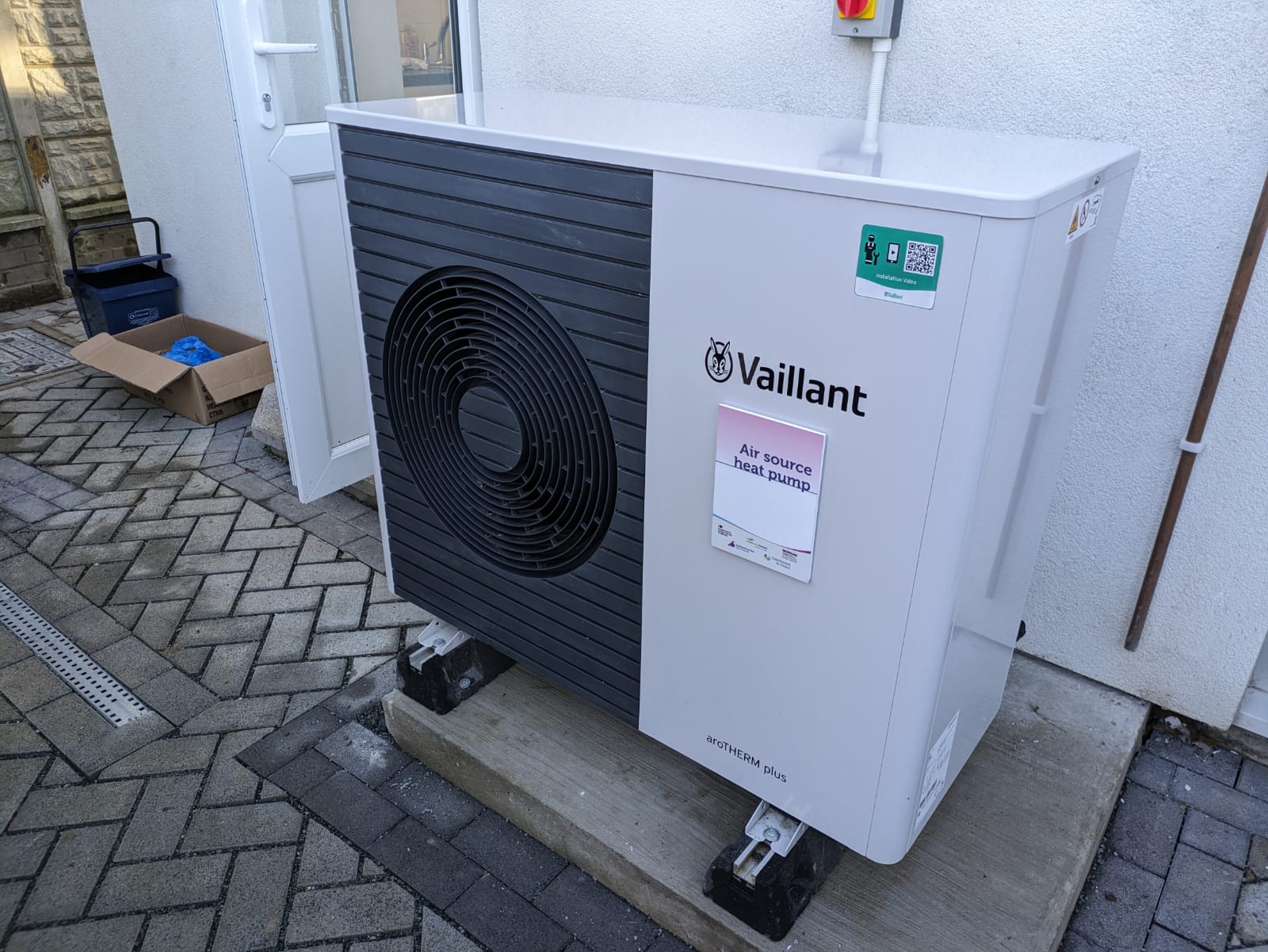
A heat pump doesn’t burn fuel to create heat—it moves heat from one place to another. In winter, it pulls heat energy out of the outdoor air (yes, even cold air contains heat) and transfers it inside. In summer, it reverses, pulling heat out of your home to cool it. That means a single heat pump can both heat and cool your house.
Modern cold-climate heat pumps are designed to keep extracting heat at very low temperatures, which makes them far more capable in Ottawa than older models ever were. For homeowners interested in efficient, year-round comfort from one system, heat pump installation in Ottawa has become an increasingly popular choice.
Heating Performance in Ottawa Winters
This is where the comparison gets local. Ottawa regularly sees deep cold snaps, so heating performance matters more here than in milder climates.
- Furnaces excel in extreme cold. They produce consistently hot air regardless of how low the temperature drops outside.
- Cold-climate heat pumps perform very well through most of the winter, but their efficiency gradually drops as temperatures fall to their lowest extremes.
For our coldest days, many Ottawa homeowners pair a heat pump with a backup heat source so they get efficiency for most of the season and reliable heat during the harshest stretches.
Energy Efficiency and Operating Costs
Because a heat pump moves heat rather than generating it through combustion, it can deliver more heating energy than the electricity it consumes—making it very efficient to run during milder winter conditions. A furnace, by contrast, depends on the price of natural gas and how efficiently it converts that fuel into heat.
Which one costs less to operate depends on your home, your insulation, and the relative price of gas and electricity. The most reliable way to compare is to have your home evaluated as part of professional HVAC services in Ottawa, where a technician can factor in your square footage, ductwork, and usage habits.
Upfront Cost and Installation
Furnaces and heat pumps differ not just in how they run, but in what it takes to install them. A furnace replacement is often simpler when gas and ductwork already exist. A heat pump may involve more upfront investment, especially if electrical upgrades are needed—but it replaces both your heating and cooling equipment in one system.
Every home is different, so the right answer comes down to your existing setup and long-term plans. A proper in-home assessment is the only way to get an accurate picture rather than a rough guess.
Environmental Impact
For homeowners trying to lower their carbon footprint, a heat pump is an attractive option because it runs on electricity instead of burning fuel on-site. As the electricity grid gets cleaner, the environmental advantage of an electric heat pump grows. A high-efficiency gas furnace is still far cleaner than older models, but it does rely on combustion to produce heat.
Hybrid Systems: The Best of Both Worlds
You don’t always have to choose one or the other. A hybrid (or “dual-fuel”) system pairs a heat pump with a gas furnace. The heat pump handles heating efficiently through the milder parts of the season, and the furnace automatically takes over when temperatures drop to their coldest.
For many Ottawa homes, this combination delivers the best balance of efficiency, comfort, and reliability—giving you year-round cooling from the heat pump and dependable heat on the worst winter nights.
Rebates and Financing in Ottawa
Energy-efficient upgrades may qualify for federal and provincial rebate programs, which can help offset the cost of a higher-efficiency system. These programs change over time, so it’s worth confirming what’s currently available before you buy.
If the upfront cost feels like a hurdle, flexible HVAC financing in Ottawa can make it easier to spread the investment into manageable monthly payments while you start saving on energy right away.
Which One Is Right for Your Ottawa Home?
Here’s a simple way to think about it:
- Choose a furnace if you want maximum heating power on the coldest days, already have gas and ductwork, and prefer a familiar, lower-upfront-cost upgrade.
- Choose a heat pump if you want one system for heating and cooling, prioritize energy efficiency, and want to reduce your reliance on fossil fuels.
- Choose a hybrid system if you want efficiency for most of the year with the security of gas heat during extreme cold.
The best choice always depends on your specific home, which is why a professional assessment matters so much.
Frequently Asked Questions
Do heat pumps actually work in Ottawa winters?
Yes. Today’s cold-climate heat pumps are built to extract heat from the air even in sub-zero temperatures and perform well through most of an Ottawa winter. For the coldest stretches, many homeowners add a backup heat source so comfort is never compromised on extreme days.
Is a heat pump cheaper to run than a furnace?
It often is during milder winter conditions, because a heat pump moves heat instead of burning fuel. Actual savings depend on your home, insulation, and the relative cost of electricity versus natural gas. A technician can compare the options based on your specific home.
Can I keep my existing furnace and add a heat pump?
Yes—that’s exactly what a hybrid or dual-fuel system does. The heat pump handles efficient heating and cooling for most of the year, and your furnace takes over automatically when temperatures drop to their coldest. It’s a popular setup for Ottawa homes.
How long do furnaces and heat pumps last?
Both systems can last many years when properly maintained, though lifespan varies with usage, installation quality, and regular servicing. Annual maintenance is the single best way to protect your investment and keep either system running efficiently.
Which system adds more value to my home?
A modern, energy-efficient system is appealing to buyers either way. A heat pump can be especially attractive because it provides both heating and cooling and lowers operating costs, but a reliable high-efficiency furnace remains a strong selling point in our climate.
Final Takeaway
There’s no single “best” heating system for every home—there’s only the best system for your home. A furnace offers powerful, dependable heat for our coldest nights. A heat pump offers efficient, year-round comfort from a single system. And a hybrid setup brings the strengths of both together.
The smartest move is to have your home assessed by a professional who can weigh your existing equipment, comfort needs, and budget—and recommend the option that will serve you best for years to come.
Book Your Heating Consultation in Ottawa Today
Ultra Air Heating & Cooling
53 Kinetic Way, Ottawa, ON K2J 0E1
Phone: (613) 762-3035
Book Online: ultraairhvac.ca/contact-us
Not sure whether a heat pump, a furnace, or a hybrid system is right for your home? Contact Ultra Air today for honest advice and a system recommendation built around your home, your comfort, and your budget.