Ottawa doesn’t ease into winter. We get stretches where the temperature drops below minus 25°C and stays there for days, and those are precisely the conditions that expose whatever was marginal about your heating system. Proper HVAC winter prep in Ottawa is about making sure the deep cold finds nothing to exploit.
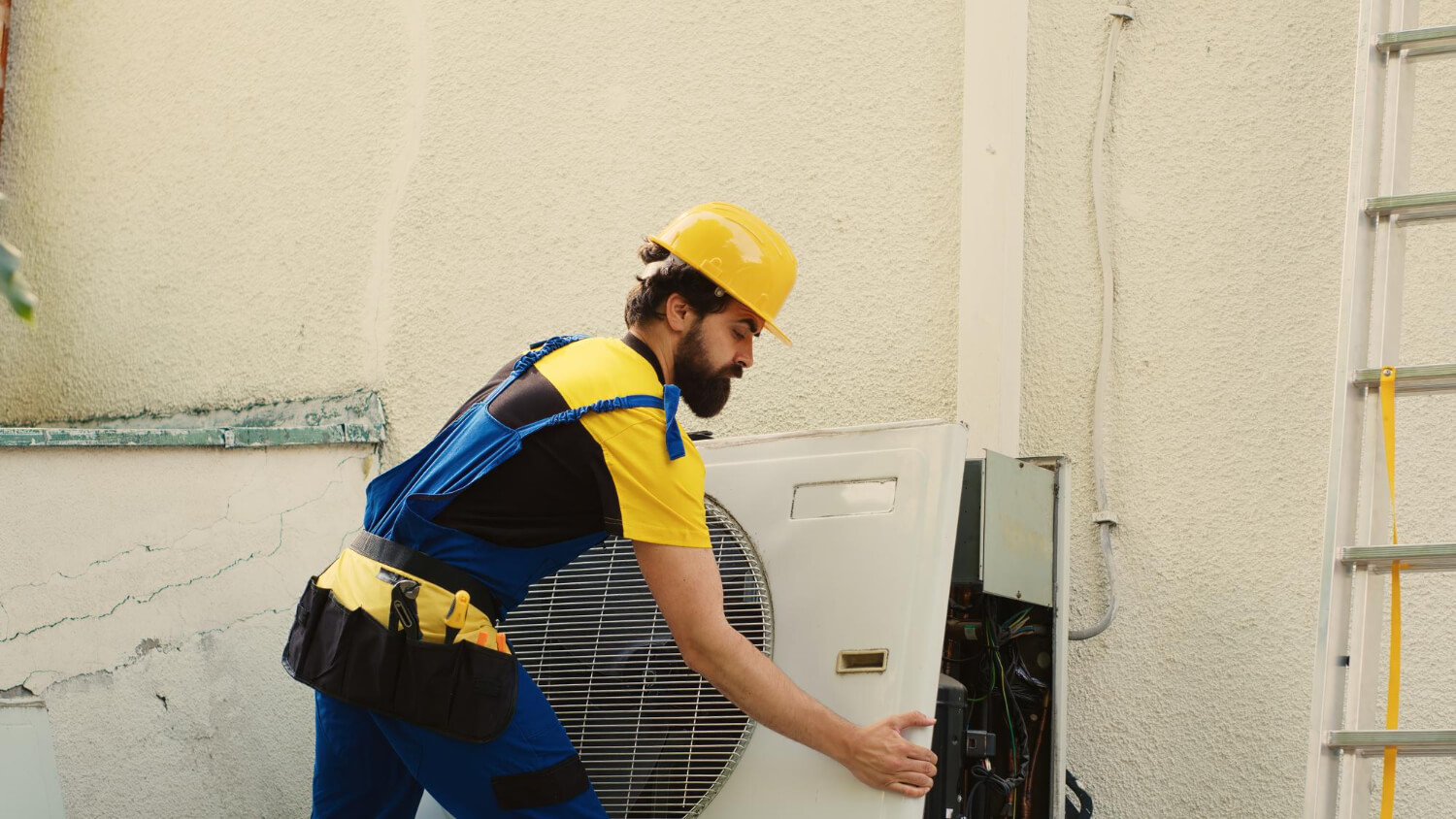
This is the checklist worth working through in late summer or early fall — well before the first cold snap, while there’s still time to fix what you find.
Book the Professional Service First
Everything else on this list assumes your furnace is fundamentally sound. Confirming that requires a technician.
A proper pre-season inspection covers the heat exchanger, burners, ignition system, blower, gas pressure, venting, and safety controls. The heat exchanger inspection in particular can’t be replicated by a homeowner, and it’s the one that matters most for both safety and whether the system will make it through the season.
Book it in August or September. Scheduling is easy, parts can be ordered without urgency, and if the news is bad you have months to plan rather than hours to react. Waiting until November means joining a queue during the exact week everyone else discovers a problem. If the inspection turns up something, furnace repair in Ottawa is far easier to arrange in the off-season.
Stock Filters and Set a Reminder
Filter changes matter more in winter because the system runs far more hours. A filter that lasts three months in shoulder season may be loaded in six weeks during a cold stretch.
Buy several at once and store them near the furnace. The single biggest reason filters don’t get changed on schedule is that nobody has one on hand when they check.
A restricted filter during extreme cold is worse than at any other time — it causes the furnace to overheat and trip its limit switch, which means intermittent heat exactly when you need it continuously.
Protect the Exhaust and Intake Vents
High-efficiency furnaces vent through PVC pipes exiting a side wall, usually fairly low. That location makes them vulnerable in an Ottawa winter.
Snow drifting against the house can bury them. Ice can form from the condensate they discharge. And if either the intake or exhaust becomes blocked, a safety switch shuts the furnace down — correctly, but at the worst possible moment.
Locate your vents now, before there’s snow on the ground, so you know where to check. After every significant snowfall, and especially after drifting winds, clear the area around them. It takes two minutes and prevents a service call.
Insulate Vulnerable Pipes
Frozen pipes are the most expensive thing that can go wrong during a cold snap, and burst pipes cause damage far exceeding any heating repair.
Identify pipes running through unheated or poorly heated spaces: crawl spaces, attached garages, exterior walls, and unheated basements. Insulate them with foam sleeves, which are inexpensive and easy to fit.
Disconnect and drain garden hoses, and shut off the supply to outdoor taps if you have interior shutoffs. During extreme cold, opening cabinet doors under sinks on exterior walls lets warm air reach the plumbing, and letting a tap drip slightly keeps water moving.
Address Draughts and Insulation
Every draught is heat you’re paying for leaving the building, and during extreme cold the losses are at their largest.
The high-value targets: the attic hatch (frequently uninsulated and a major loss point), rim joists in the basement, gaps around window and door frames, electrical outlets on exterior walls, and any penetration where pipes or wiring pass through the envelope.
Weatherstripping and caulking are inexpensive and immediate. Attic insulation is the larger project, but it’s the highest-return envelope improvement in our climate because of the enormous temperature difference across the attic floor in January.
Manage Humidity as It Gets Colder
Winter humidity isn’t a set-and-forget adjustment. What’s comfortable at minus 5°C causes window condensation at minus 25°C, and sustained condensation leads to mould and frame rot.
Plan to lower your humidistat setting as temperatures drop, and use your windows as the indicator — visible condensation that doesn’t clear means the setting is too high for current conditions.
If your home is uncomfortably dry and you don’t have a whole-home unit, humidifier installation in Ottawa is far easier to arrange in autumn than during the season you need it.
Test Your Safety Devices
Do this every year without exception, before heating season:
- Test every CO alarm and replace batteries
- Check detector expiry dates — they have a service life and expire whether or not the test button works
- Test smoke alarms at the same time
- Locate the furnace emergency shutoff — the switch that looks like a light switch near the unit
- Find the main water shutoff and confirm it turns
Knowing where these are matters most when you’re least prepared to go looking.
Have a Plan for a Failure
Even well-maintained systems occasionally fail. Having thought it through beforehand makes a bad night considerably less bad.
Save your HVAC company’s number in your phone now. Know whether they offer after-hours service. Keep extra blankets accessible, and know which room in the house holds heat best so you can concentrate everyone there.
Consider where you’d go if a repair couldn’t happen until morning — and check on elderly neighbours during any extended cold snap, since heating failures affect people very unevenly.
Understanding what qualifies as emergency HVAC service in Ottawa ahead of time helps you make the right call under stress rather than guessing.
If the Heat Goes Out
Immediate steps: check the thermostat batteries and settings, confirm the furnace power switch hasn’t been flipped, and check the breaker. These resolve a meaningful share of failures.
Then protect the house. Close off unused rooms to concentrate remaining heat. Open cabinet doors under sinks on exterior walls. Let taps drip. Keep exterior doors closed and cover windows with blankets or heavy curtains at night.
Never use an oven, barbecue, or unvented combustion heater to warm the house. Every winter these cause carbon monoxide incidents, and they’re genuinely dangerous in an enclosed space. Guidance on no heat emergencies in Ottawa covers what to do while waiting for service.
Frequently Asked Questions
When should I start preparing my HVAC for winter?
Late August through September is ideal. Professional appointments are readily available, parts can be ordered without urgency, and if the inspection reveals a serious problem you have months to plan a replacement rather than making the decision under pressure during a cold snap.
Why does my furnace stop working during extreme cold?
Several reasons converge in deep cold. Snow or ice can block the exhaust and intake vents, triggering a safety shutdown. Condensate drain lines can freeze. And the system runs far longer hours, so a marginal component that coped in mild weather fails under sustained load. Pre-season service addresses most of these.
How do I keep my pipes from freezing?
Insulate pipes in unheated spaces with foam sleeves, disconnect and drain garden hoses, and keep the house heated even when away. During extreme cold, open cabinet doors under sinks on exterior walls so warm air reaches the plumbing, and let taps drip slightly to keep water moving.
Is it safe to use space heaters as backup?
Electric space heaters can be used safely with care — keep them well clear of anything flammable, plug them directly into a wall outlet rather than an extension cord, and never leave them running unattended or overnight. What’s never safe is using an oven, barbecue, or unvented combustion heater indoors.
Should I lower my thermostat when I’m away in winter?
Lower it, but not dramatically. Setting back a few degrees saves energy safely. Setting it very low or turning it off risks frozen pipes, especially during a cold snap while you’re away. If you’re travelling in winter, keep the house comfortably above freezing and have someone check on it periodically.
Final Takeaway
Winter prep in Ottawa is mostly unglamorous: book the service, stock filters, find your vents, insulate pipes, seal draughts, and test the alarms. None of it takes long, and all of it is easier in September than in January.
The households that get through a deep cold snap without incident are almost always the ones that did this work months earlier.
Get Winter-Ready in Ottawa
Ultra Air Heating & Cooling
53 Kinetic Way, Ottawa, ON K2J 0E1
Phone: (613) 762-3035
Book Online: ultraairhvac.ca/contact-us
Want your heating system checked before the cold arrives? Contact Ultra Air today to book a pre-season inspection while appointments are still easy to schedule.