Water heating is one of the largest energy uses in a Canadian home, and it’s the one most people think about least — right up until the tank fails. If yours is approaching the end of its life, the choice between a tankless water heater in Ottawa and a conventional tank deserves more than a quick decision under pressure.
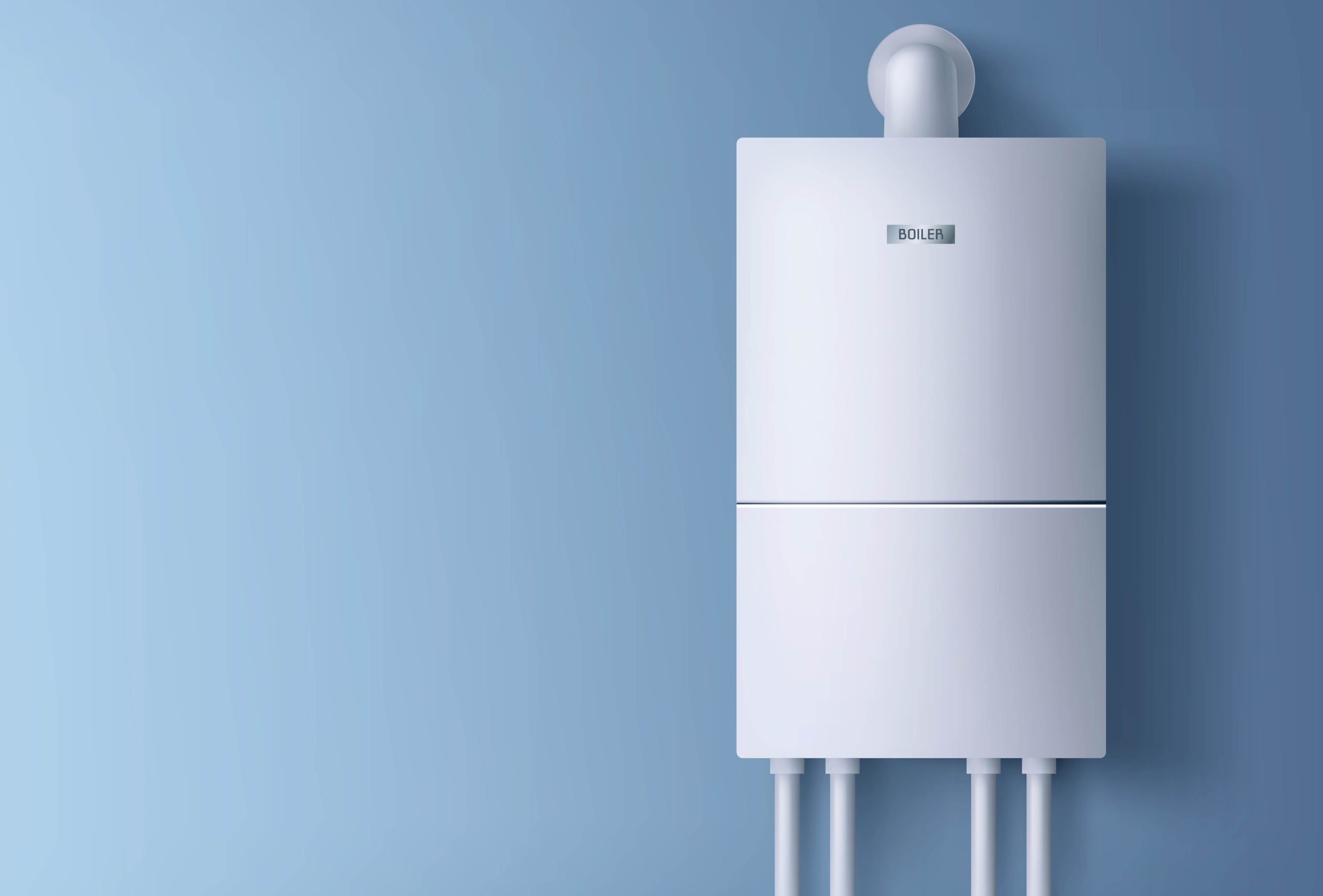
Both heat water well. They differ in how they do it, what they cost, how long they last, and which households they suit. Here’s an honest comparison.
How Each System Works
A traditional tank water heater keeps a reservoir — typically 40 to 60 gallons — heated and ready. When you open a tap, hot water flows out and cold water enters to be heated. The system maintains that temperature continuously, whether or not anyone uses hot water.
A tankless water heater stores nothing. When you open a hot tap, a flow sensor triggers a burner or element, and water heats as it passes through a heat exchanger. When you close the tap, it stops.
That single difference — storing versus heating on demand — drives every other comparison between them.
Energy Efficiency and Standby Loss
The efficiency argument for tankless comes down to standby loss. A tank loses heat to the surrounding air continuously and reheats to compensate. That happens all day, every day, whether the house is occupied or empty.
Tankless units have no standby loss because there’s nothing being kept warm. Households that use hot water intermittently see the biggest relative benefit — a family away at work and school all day is paying to keep a tank hot for nobody.
The gap narrows for high-volume households, where the tank is being drawn down and refilled constantly anyway. Modern tanks are also far better insulated than older ones, so the comparison isn’t as lopsided as it once was.
Hot Water Capacity: Different Limits
This is where the two systems fail differently, and it matters more than most people expect.
A tank can supply a large amount of hot water at high flow — until it’s empty. Then you wait for recovery, which takes a while. Running out mid-shower is the classic tank failure mode.
A tankless unit never runs out, but it’s limited by flow rate — how many litres per minute it can raise to temperature. Exceed that, and water arrives lukewarm rather than hot. Running two showers and a dishwasher simultaneously is the classic tankless failure mode.
So the question isn’t “which is better” — it’s which limitation fits your household. A family with staggered morning routines suits tankless well. One where three people shower at once needs either a large tank or a carefully sized tankless system.
Ottawa’s Cold Groundwater Matters Here
This is the local wrinkle that generic comparisons miss. Tankless capacity is expressed as flow rate at a given temperature rise — and in Ottawa, incoming water in winter is very cold.
A unit rated for a certain flow rate with a modest temperature rise will deliver noticeably less when it has to raise water from near-freezing to shower temperature. A tankless unit sized on summer conditions can disappoint badly in February.
Any competent installer sizing a tankless system for an Ottawa home works from winter groundwater temperature, not an average. Ask specifically about this — it’s the single most common sizing mistake we see corrected after the fact.
Lifespan and Long-Term Value
Tankless units generally last considerably longer than tanks, and that difference is central to the value argument. A tank’s failure mode is corrosion — eventually the lining fails and it leaks, sometimes dramatically.
Tankless units have no tank to corrode. Components can be serviced and replaced individually, and many are designed with the heat exchanger as a replaceable part rather than a throwaway.
Both require maintenance. Tanks need the anode rod checked and periodic flushing. Tankless units need descaling, particularly in areas with harder water. Neglected, either will underperform and fail early.
Installation Requirements and Space
Tankless units mount on a wall and free up the floor space a tank occupies — meaningful in a small Ottawa basement or utility room.
But installation is typically more involved. A gas tankless unit often needs a larger gas line than a tank did, because it fires at much higher input when running. It also needs its own venting, usually stainless steel, and condensing models need a condensate drain.
Electric tankless units avoid the venting question but frequently require a substantial electrical service upgrade, which can be the more expensive path in an older home.
These requirements are why quotes vary so much between homes. A proper assessment through HVAC services in Ottawa establishes what your house actually needs before numbers get discussed.
Upfront Cost and Payback
Tankless units cost more upfront, both for equipment and for installation — particularly on a conversion where gas and venting need upgrading.
The return comes from lower operating cost and longer service life. Whether it pays back depends on your usage pattern, the price of energy, and how long you stay in the home. Households with low-to-moderate hot water use and long occupancy see the strongest case; short-term owners with heavy usage see the weakest.
When the upfront difference is the obstacle rather than the technology, tankless water heater financing in Ottawa can spread it into monthly payments that align with the operating savings.
Which Should You Choose?
A tankless water heater makes sense if you have limited space, use hot water at spread-out times, plan to stay in the home long-term, want to stop running out of hot water, and your home can accommodate the gas and venting requirements without major work.
A traditional tank makes sense if upfront cost is the primary constraint, your household has high simultaneous demand, your home would need expensive gas or electrical upgrades for tankless, or you’re replacing under emergency conditions and need hot water restored today.
That last point is real. Detailed comparison of water heater options in Ottawa is much easier before your existing unit fails than after.
Frequently Asked Questions
Will a tankless water heater really never run out of hot water?
It won’t run out in the sense a tank does, because it heats continuously as water flows. But it is limited by flow rate — if you exceed what the unit can heat per minute, the water arrives cooler rather than stopping. Correct sizing for your household’s peak simultaneous demand is what makes the “endless hot water” claim true in practice.
How much space does a tankless unit save?
A typical tank occupies a footprint roughly the size of a large barrel and stands several feet tall. A tankless unit is roughly the size of a carry-on suitcase and mounts on the wall. In a cramped Ottawa utility room or a basement you’re planning to finish, that reclaimed floor space is often as compelling as the energy savings.
Do tankless water heaters work in cold Ottawa winters?
Yes, but sizing must account for our cold incoming groundwater. A unit needs to raise water temperature much further in February than in July, and its effective flow rate drops accordingly. A unit sized on average conditions can underperform in deep winter, which is why winter groundwater temperature should be the basis for sizing here.
How often does a tankless water heater need maintenance?
Annual service is the general recommendation, with descaling the main task. Mineral buildup in the heat exchanger reduces efficiency and eventually causes error codes and shutdowns. Homes with harder water need it more often. It’s straightforward maintenance, but skipping it undermines the longer lifespan that justifies the purchase.
Can I switch from a tank to tankless without other changes?
Rarely a straight swap. Gas tankless units usually need a larger gas line and different venting than a tank used, and electric models often require a significant electrical upgrade. The extent of that work varies enormously between homes, which is why an on-site assessment matters before committing to a conversion.
Final Takeaway
Tankless suits homes with limited space, spread-out hot water use, and long-term ownership. Tanks suit tighter budgets, high simultaneous demand, and homes where conversion would require expensive infrastructure work.
Whichever way you lean, size it for an Ottawa winter, not an average day — and make the decision before your current unit forces one.
Compare Water Heater Options in Ottawa
Ultra Air Heating & Cooling
53 Kinetic Way, Ottawa, ON K2J 0E1
Phone: (613) 762-3035
Book Online: ultraairhvac.ca/contact-us
Water heater nearing the end of its life? Contact Ultra Air today for an assessment of what your home can support and a straight comparison of tankless and tank options.